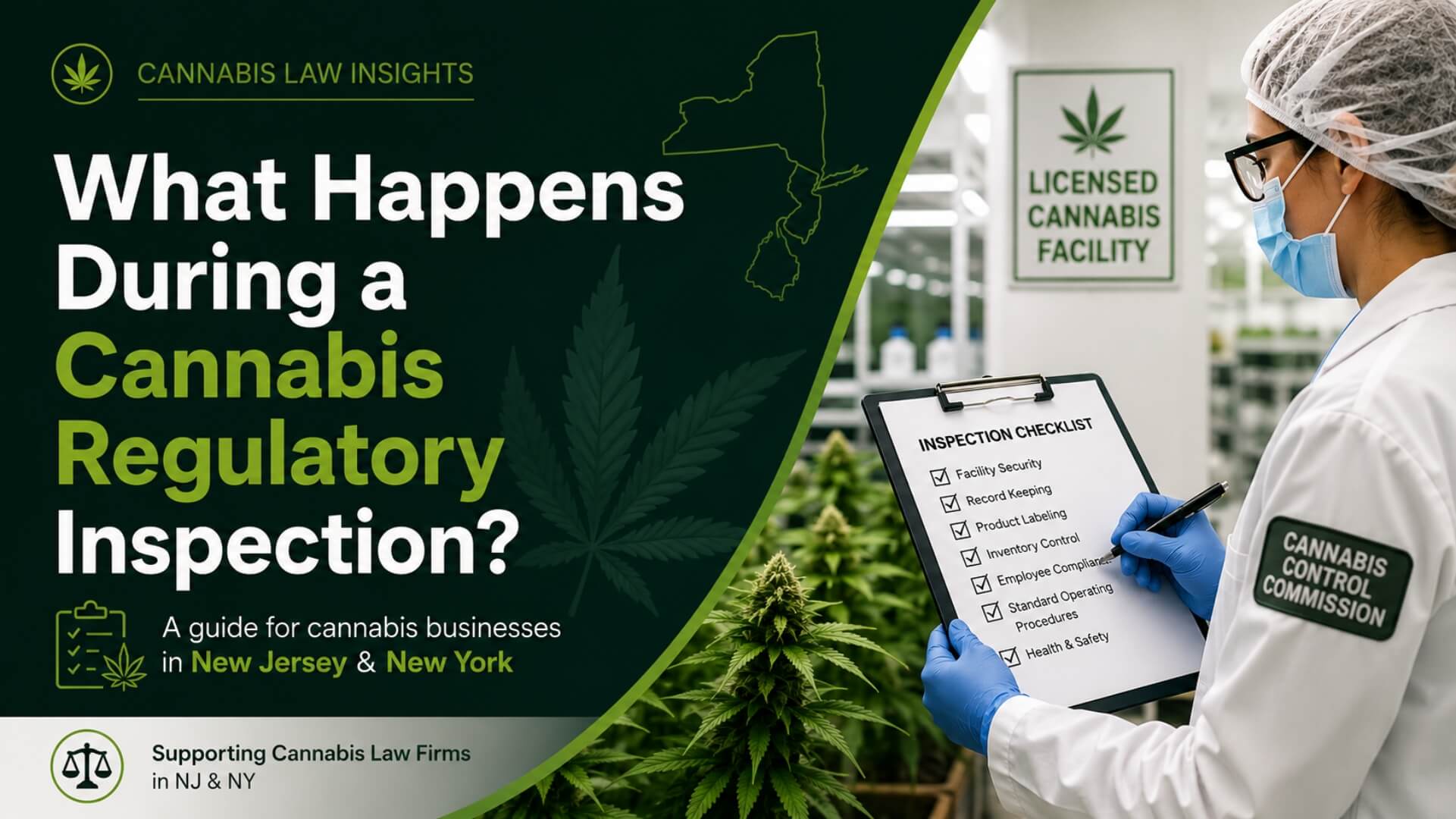
Operating a marijuana company can be an exhilarating adventure; however, operating a marijuana business also has many strict rules that must be followed. Whether you are involved with the formation of a new cannabis company or managing an existing medical marijuana dispensary, cultivating marijuana plants, or manufacturing products — part of the operation of your business will involve inspections done by regulatory authorities.
As a business owner, getting the notice that you have an inspection scheduled can make any owner feel uneasy. However, knowing how to prepare for an inspection can help you to feel confident, because you understand what the inspectors are looking for when they arrive at your location. This guide will provide you with information on what to expect and how to successfully navigate through the inspection process.
Why Are Cannabis Regulatory Inspections Important?
Along with the high level of regulations governing the cannabis industry in North America, many regulatory agencies routinely inspect cannabis businesses to ensure that all businesses are operating legally and they are helping to protect the public, and that the businesses are complying with state or provincial laws.
Inspections serve a purpose regardless of whether you are in the process of establishing a cannabis business or you are currently operating one. Through routine inspections, inspectors are able to confirm compliance with licensing/legal documentation, inventory control systems, security and safety protocols, and product safety standards.
It is important to understand that inspections are not always indicative of problems with your business; they also serve to regularly check for compliance with established standards for the industry.
You may also like: Is Cannabis Legal in Your State? A Quick Guide
What Triggers a Cannabis Regulatory Inspection?
There are several different reasons that regulatory inspections may occur, including:
- Regular audits for compliance
- Licensing renewals
- Complaints received from customers
- Setting up a recall of a product
- Security-related incidents
- Following up after previous violations have occurred
- Conducting random inspections by regulatory authorities
Businesses that have maintained good compliance histories usually experience smoother inspections and are less likely to have additional follow-up actions.
What Inspectors Typically Review
1. Licensing and Business Documentation
Inspectors usually begin by reviewing your licenses and operational documents. They may request:
- Active cannabis licenses
- Employee training records
- Standard operating procedures (SOPs)
- Security plans
- Inventory management records
A properly organized cannabis business structure makes this process much easier because all required documentation is readily available and up to date.
2. Inventory Tracking and Record Keeping
One of the most important aspects of any inspection is inventory control.
Inspectors often compare physical inventory with records in state-mandated tracking systems. They want to confirm that every cannabis product can be traced from cultivation to final sale.
Areas reviewed may include:
- Product quantities
- Batch numbers
- Transfer records
- Disposal records
- Sales transactions
Accurate record keeping is critical for maintaining compliance and avoiding penalties.
3. Security Measures
Cannabis facilities are required to maintain strict security standards.
Inspectors may review:
- Surveillance camera systems
- Video retention policies
- Alarm systems
- Restricted access areas
- Visitor logs
- Employee access controls
A strong security program protects both the business and consumers while demonstrating regulatory compliance.
4. Product Storage and Handling
Product quality and consumer safety are major priorities during inspections.
Inspectors may examine:
- Storage conditions
- Labeling accuracy
- Packaging compliance
- Product segregation procedures
- Expired or damaged inventory handling
Proper storage practices help ensure products remain safe and compliant throughout their lifecycle.
5. Employee Compliance
Regulators may also assess whether employees understand and follow compliance procedures.
They might ask staff questions about:
- Identification verification processes
- Product handling procedures
- Security protocols
- Incident reporting procedures
Well-trained employees are often one of the strongest indicators of a compliant operation.
Common Compliance Issues Found During Inspections
Even companies that are managed well may sometimes have compliance problems.
Common types of compliance findings include:
- Incomplete inventory records
- Missing documentation
- Improper labeling
- Gaps in security camera video coverage
- Deficiencies in employee training
- Lack of current operating procedures
Taking action to address these compliance problems will increase your regulatory risk.
Read also: 7 Signs You Need Cannabis Legal Services Now
How to Prepare for a Cannabis Regulatory Inspection
It is always best to be prepared rather than scrambling to be prepared at the last minute.
The following are some excellent ideas to consider for best practices.
Perform Internal Audits
Regularly review records, inventory and compliance procedures. By performing an internal audit, you will be able to identify issues ahead of the regulators finding them.
Keep Documentation Organized
Store compliance-related documents in a centralized file and maintain those documents regularly.
Train Employees Regularly
Train employees on current regulations and company procedures so they understand them. Ongoing employee training should help reduce risk of costly mistakes.
Review Security Systems
Periodically testing cameras, alarms and access control systems will ensure that they are functioning correctly.
Update SOPs
Ongoing review of Standard Operating Procedures (SOPs) when regulations change.
Businesses that implement a well-organized structure around their marijuana business frequently have fewer problems managing regulatory compliance because of defined responsibilities and reporting systems.
What Happens After the Inspection?
Typically, after an inspection has been completed, the regulators will make a report of their findings.
Outcomes of an Inspection:
No Violations Found
This is the best outcome. Your business is in compliance, has no issues, and continues to operate as normal.
Minor Corrections Required
As part of the inspection process, inspectors may find some minor concerns that need to be corrected within a particular time frame.
Formal Violations
If inspectors discover more serious issues with your company’s compliance, you may receive a warning, fine or corrective action plan or have to go through another inspection.
Reacting quickly and professionally in response to a regulation can negate or lessen the effect of the regulatory outcome on your business.
Building a Compliance-Focused Cannabis Business
For your business to have a culture of compliance from the start, you’ll want to develop solid systems, policies, and procedures at the time your cannabis company is formed in order to establish a path towards success in regulatory compliance.
Developing a cannabis company that is designed for compliance will result in successfully passing inspections, improved efficiency, protecting your business’s licenses, and developing trust between your business and customers, as well as regulators.
Final Thoughts
Regulatory inspections for cannabis establishments are crucial for the lawful functioning of the cannabis marketplace. While they may appear overwhelming, if you consistently record and maintain your inventory, employee training, and security apparatus; your inspections will be significantly less complicated.
If you are evaluating or creating a cannabis operational framework or restructuring your marijuana business, one of the best investments you can make is to take advantage of proactive compliance.
The more organized you are, you train your employees/collaborators/buyers, and the more regularly you assess your internal systems, the more prepared you will be for an inspection and the more likely you will succeed long-term in this industry.

1 comment on “What Happens During a Cannabis Regulatory Inspection?”