
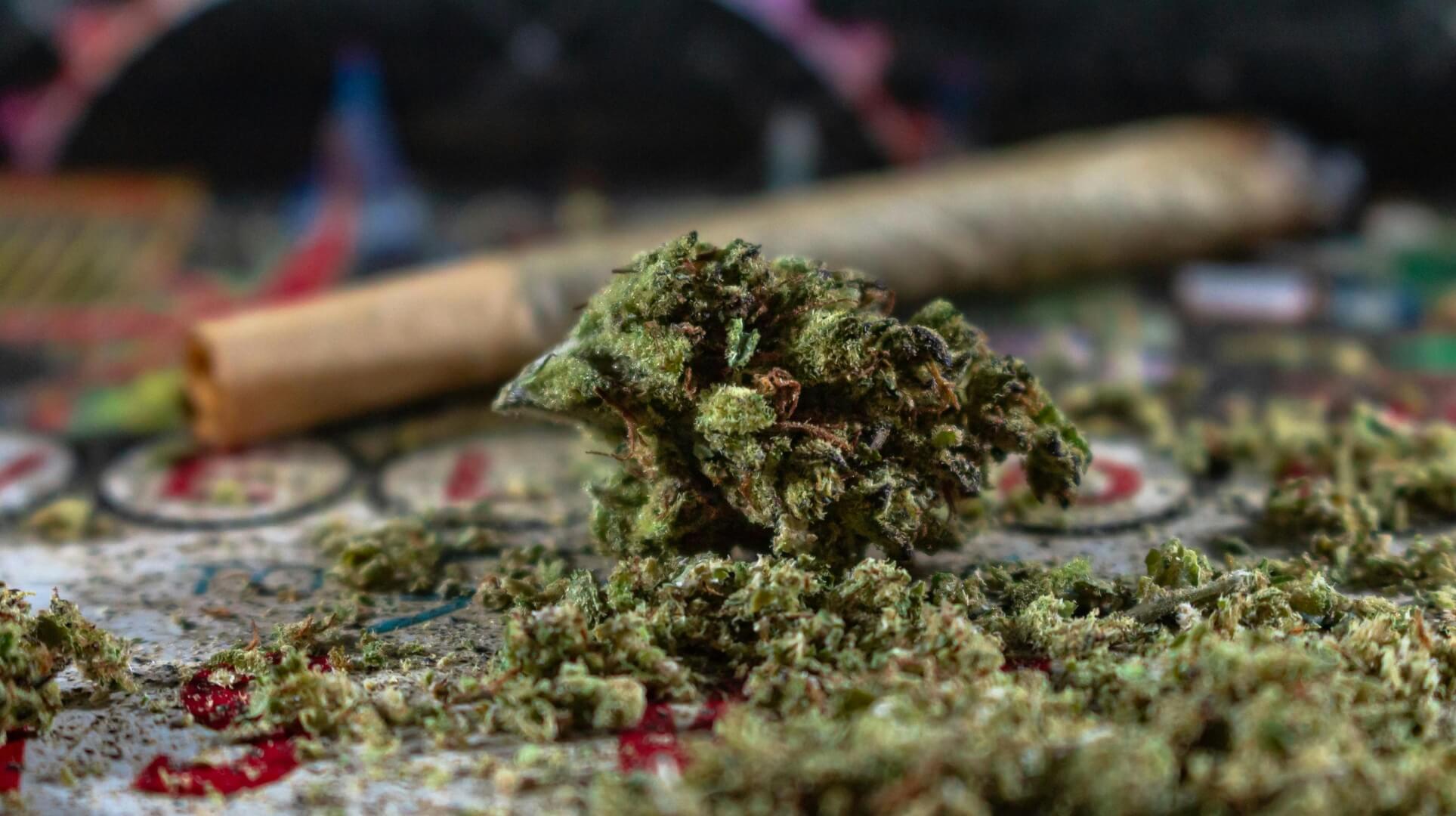
Cannabis laws in the United States have changed dramatically over the last decade. What was once illegal almost everywhere is now legal for medical or recreational use in many states.
However, cannabis laws are still different from state to state, which can make things confusing for consumers, business owners, and even tourists.
If you are wondering whether cannabis is legal in your state, this quick guide will help you understand the basics of U.S. cannabis laws in 2026.
Understanding Federal vs. State Cannabis Laws
One of the most confusing aspects of cannabis legalization in the United States is the difference between federal and state laws. While many states have legalized cannabis in some form, marijuana is still considered illegal under federal law and remains classified as a Schedule I controlled substance under the Controlled Substances Act.
At the state level, however, cannabis laws vary widely. Some states allow recreational cannabis for adults over 21, others permit only medical marijuana use, and a few states still prohibit cannabis entirely. Because each state creates its own rules, what is legal in one state may still be illegal in another.
For example, a person may legally purchase cannabis from a licensed dispensary in one state but face fines or criminal penalties for possessing the same product elsewhere. Laws can also differ when it comes to possession limits, home cultivation, public consumption, and cannabis transportation.
Due to these constantly changing regulations, it is important for consumers, patients, and business owners to understand the specific cannabis laws in their state before purchasing, possessing, traveling with, or using cannabis products.
States Where Recreational Cannabis Is Legal
Recreational cannabis is legal in many U.S. states for adults over the age of 21. In these states, adults can usually purchase cannabis products from licensed dispensaries without needing a medical marijuana card.
Some states where recreational cannabis is legal include:
- California
- New York
- New Jersey
- Illinois
- Michigan
- Nevada
- Massachusetts
- Colorado
- Arizona
Although recreational use is legal in these states, there are still rules regarding possession limits, public consumption, driving under the influence, and home cultivation.
For example, smoking cannabis in public places is still prohibited in many recreational states. Some states also limit how much cannabis an adult can legally carry at one time.
You may also like: Why Cannabis License Applications Get Rejected – and How to Fix Them
States With Medical Marijuana Programs
Several states allow cannabis only for medical use. In these states, patients must usually obtain a medical marijuana card from a licensed healthcare provider.
Medical marijuana laws are often designed to help patients with conditions such as:
- Chronic pain
- Cancer
- PTSD
- Epilepsy
- Anxiety disorders
- Multiple sclerosis
One example is Florida, where medical marijuana is legal, but recreational cannabis is not currently allowed statewide.
Patients in medical-only states may have restrictions on the type of cannabis products they can purchase and where they can legally use them.
States Where Cannabis Remains Illegal
While legalization continues to grow, some states still have strict cannabis laws. In these locations, possession of marijuana can still lead to criminal charges, fines, or jail time.
Even in states where cannabis remains illegal, some may allow limited CBD or low-THC medical products under specific conditions.
Because laws continue to change quickly, consumers should always check current state regulations before traveling or purchasing cannabis products.
Cannabis Possession Limits by State
Every legal cannabis state has its own possession limits. These laws determine how much cannabis a person can legally carry or store.
For example:
- Some states allow adults to possess up to one ounce of cannabis flower.
- Others allow larger amounts for medical marijuana patients.
- Concentrates, edibles, and vape products may have separate limits.
Exceeding legal possession limits can still result in penalties, even in states where cannabis is legal.
Can You Grow Cannabis at Home?
Home cultivation laws also vary by state. Some states allow adults to grow a limited number of cannabis plants for personal use, while others prohibit home growing entirely.
For example:
- Certain states may allow 6 to 12 plants per household.
- Some medical marijuana states only allow cultivation for registered patients.
- Other states ban personal cultivation completely.
Home growers must also follow local zoning rules and keep plants out of public view.
Traveling With Cannabis: What You Need to Know
Traveling with cannabis can be risky, especially across state lines.
Even if cannabis is legal in both states, transporting marijuana across state borders remains illegal under federal law. This includes carrying cannabis through airports or mailing cannabis products between states.
Tourists should also remember that legal purchase does not always mean legal public use. Hotels, rental properties, and public spaces may still prohibit cannabis consumption.
If you are traveling, it is always best to review the cannabis laws of your destination before your trip.
Cannabis and Driving Laws
Driving under the influence of cannabis is illegal in every state. Law enforcement agencies take impaired driving seriously, and penalties can include fines, license suspension, or criminal charges.
Even legal cannabis users should avoid driving after consumption. Edibles and high-potency products can affect reaction times and judgment longer than some users expect.
Using cannabis responsibly is essential for personal safety and legal compliance.
Cannabis Laws for Businesses
The legal cannabis industry continues to grow rapidly across the United States. Entrepreneurs are opening dispensaries, cultivation facilities, delivery services, and cannabis-related businesses in many legal states.
However, cannabis businesses face strict regulations regarding:
- Licensing
- Product testing
- Packaging and labeling
- Advertising rules
- Security requirements
- Tax compliance
Business owners who fail to follow state cannabis regulations may face heavy fines, license suspension, or legal action.
Because cannabis laws are highly regulated and constantly changing, many businesses work with experienced cannabis attorneys to stay compliant.
Why Cannabis Laws Keep Changing
Cannabis legalization is evolving quickly across the country. Many states continue to introduce new legislation regarding recreational use, medical access, social equity programs, and cannabis taxation.
Public opinion on cannabis has also shifted significantly in recent years. As more states legalize marijuana, lawmakers continue debating how cannabis should be regulated at both the state and federal levels.
This means cannabis laws in your state today may look very different in the near future.
Read also: Do You Need a Cannabis Lawyer? Benefits for First-Time Entrepreneurs
Final Thoughts
Cannabis legalization in the United States is more complicated than many people realize. While some states fully allow recreational marijuana, others permit only medical use or still prohibit cannabis entirely.
Understanding your state’s cannabis laws is important whether you are a consumer, patient, traveler, or business owner. Rules regarding possession, public use, cultivation, and transportation can vary significantly depending on where you live.
As cannabis laws continue to evolve in 2026 and beyond, staying informed is the best way to protect yourself and make responsible decisions.

2 comments on “Is Cannabis Legal in Your State? A Quick Guide”